Why Great MDR Combines Technology, Expertise and Context


Cybersecurity has never been short of powerful technology. But technology alone does not create resilience.
What matters is what happens around it: how quickly threats are understood, how confidently decisions are made, how effectively teams respond and how well security adapts to the needs of the business.
That is where managed detection and response (MDR) has an increasingly important role to play.
Cybercriminals are not limiting their attention to the world's largest enterprises. Reuters reporting on the ransomware group LockBit showed attackers pursuing even relatively modest payouts from small businesses. And following a wave of disruptive cyberattacks in the UK, the government warned that cybersecurity needs to be a priority for organizations of every size.
For organizations with lean security teams, the challenge is clear. They need strong detection and response capabilities, but they also need those capabilities to work as part of their business.
That takes the right combination of technology, expertise and service.
Great MDR Turns Detection Into Action
Detection matters. Speed matters. Automation matters.
But they are only part of the MDR story.
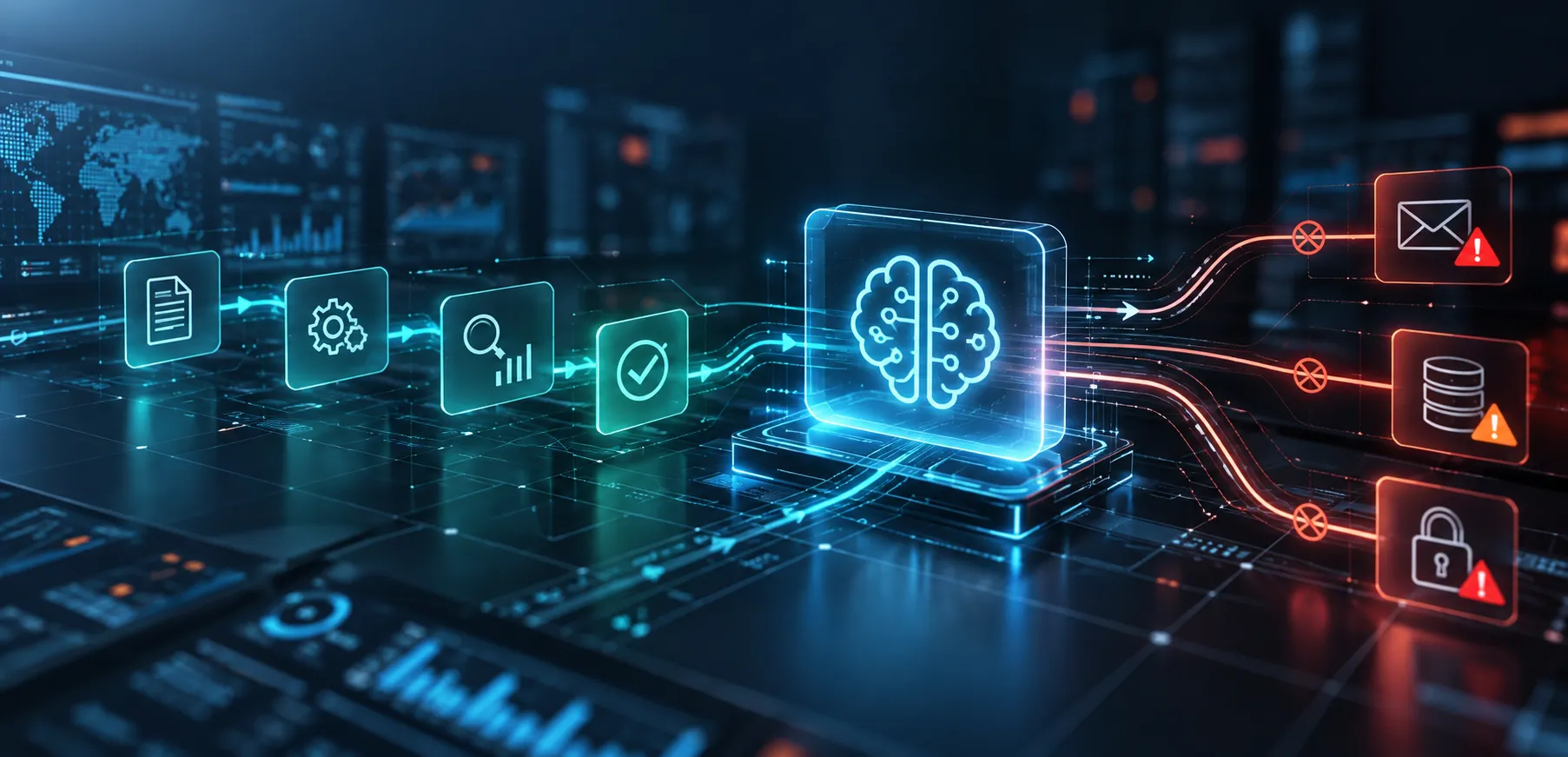
The real value of managed detection and response comes from connecting detection to investigation, containment, remediation and ongoing improvement.
Modern attacks can move quickly across endpoints, identities and cloud environments. That makes the ability to investigate and respond around the clock increasingly important. But security teams also have to understand what an incident means for their specific organization.
Which systems are business-critical? What action can be taken immediately? Where is additional context required? Who needs to be involved? And what needs to change once the immediate threat has been addressed?
Good MDR helps answer those questions as part of the service.
It gives organizations more than visibility into threats. It gives them a clear path forward when something happens.
Human Expertise Adds Business Context to MDR
AI and automation are transforming security operations for good reason. They can help teams analyze enormous amounts of information, accelerate investigations and take action faster than manual processes alone.
But the strongest MDR models combine that speed with human expertise.
CrowdStrike's own approach to Falcon® Complete reflects this. Falcon Complete brings together AI-powered detection and response, automation, 24/7 security expertise and human oversight to investigate, contain and remediate threats.
The human element becomes especially valuable when that expertise is connected to the customer's environment.
Knowing the technology is one thing. Knowing the organization using it is another.
A security decision that is straightforward for one company may have very different operational consequences for another. Understanding the customer's priorities, infrastructure and risk profile helps turn technical information into decisions that make sense for the business.
That is why an effective MDR relationship should feel like an extension of the customer's team, not simply another tool generating information for that team to manage.
Managed Detection and Response Should Reduce Complexity
This matters particularly for small and midsize organizations.
Few businesses have unlimited security resources. UK government research published in 2025 found that 49% of businesses had gaps in basic technical cybersecurity skills, while 30% reported gaps in more advanced areas such as forensic analysis and penetration testing. The same research found that outsourcing cybersecurity was particularly common among medium-sized businesses.
That does not mean these organizations need less sophisticated security.
It means they need security that is easier to consume.
An MDR provider should remove operational burden rather than add another layer of complexity. Onboarding should be clear. Responsibilities should be understood. Customers should know who to contact. And when an incident occurs, the path from detection to response should already be established.
The customer should not have to spend valuable time working out which provider owns which part of the problem while an incident is unfolding.
The best MDR services bring those pieces together from the start.
A Strong MDR Service Starts Before the First Alert
This is also why MDR should not begin at the moment an alert appears.
The work starts much earlier.
Effective onboarding and tuning help make sure technology is aligned with the environment it is protecting. Ongoing threat intelligence helps teams understand how the threat landscape is changing. Regular service conversations provide an opportunity to review priorities, improve coverage and identify where the security program can evolve.
And incident response planning means expertise is already within reach if a serious event occurs.
Together, these capabilities move MDR beyond reactive monitoring.
Instead of simply asking, Did we detect the threat?, organizations can ask better questions:
Were we ready for it? Did we respond effectively? And are we stronger as a result?
That is a much more useful measure of security.
Combining CrowdStrike Falcon Complete With the Kudelski Security Approach
This thinking sits behind Kudelski Security's work with CrowdStrike.
CrowdStrike provides the powerful detection and response engine, with 24/7 investigation and full-cycle remediation across endpoints, identities and cloud workloads. Kudelski Security adds the surrounding service layer, including onboarding and tuning, ongoing delivery management, threat intelligence and hunting expertise, access to its Client Portal and Threat Navigator, KLARA™ agentic AI ecosystem and incident response support.
The result combines CrowdStrike’s scale, platform and MDR expertise with the flexibility and close customer relationship Kudelski Security provides organizations — especially small and medium organizations — a coordinated MDR service without requiring them to manage multiple providers.
Importantly, it also creates a model that can grow with the customer.
Additional capabilities such as CrowdStrike Falcon® Next-Gen SIEM and extended security services can be introduced as requirements and security maturity evolve.
It is one managed service, built around what the customer needs.
What Should Organizations Expect From Modern MDR?
As MDR continues to evolve, organizations should expect more from it than alert monitoring.
They should expect technology that can keep pace with modern threats. They should expect 24/7 expertise. They should expect automation where it improves speed and consistency, with human oversight where judgment matters.
But they should also expect something much simpler: a security partner that knows their environment, helps them understand what matters and is there when they need to act.
Because the goal of MDR is not to give security teams more to manage.
It is to help them manage security better.
Build an MDR Service Around Your Business
The right MDR model will look different for every organization. What matters is bringing together the technology, expertise and service needed to protect the business without adding unnecessary operational burden.
That is exactly what Kudelski Security is working to deliver with CrowdStrike Falcon Complete.
If you're reviewing your current MDR approach, looking to strengthen 24/7 detection and response, or simply want to understand what a more hands-on managed service could look like for your organization, contact Kudelski Security or visit our dedicated MDR with CrowdStrike Falcon complete page.
We can help you explore an MDR model built around your environment, your team and the outcomes that matter most to your business.